
Data
9 posts
Unlocking the Secrets of Customer Data: Enhancing Shopping Experiences with Personalization
Efficiently handle GDPR customer data requests while ensuring compliance, data security, and trust. Simplify processes and enhance customer loyalty.
The significance of ethical AI usage in data discovery
Explore the critical role of ethical AI practices in data discovery, emphasizing the importance of fairness, transparency, and accountability to foster responsible AI adoption and safeguard societal well-being.
Enhancing governance of unstructured data
Explore the significance of unstructured data governance in our latest article. Learn about its challenges, best practices, and how it enhances decision-making and business value.
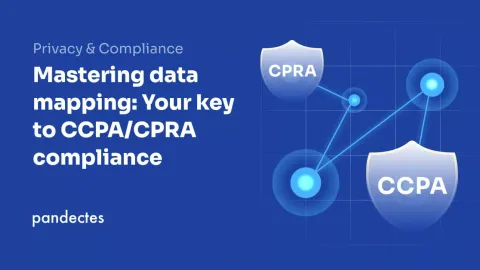
Mastering data mapping: Your key to CCPA/CPRA compliance
Mastering data mapping is essential for CCPA and CPRA compliance. It helps businesses identify, document, and protect personal information, ensuring compliance with these regulations.
Key considerations for leveraging first-party data
It's essential for businesses to understand the significance of first-party data in today's constantly evolving digital marketing landscape. This data type is obtained directly from customers or users and provides valuable insights into their behaviors, preferences, and needs.
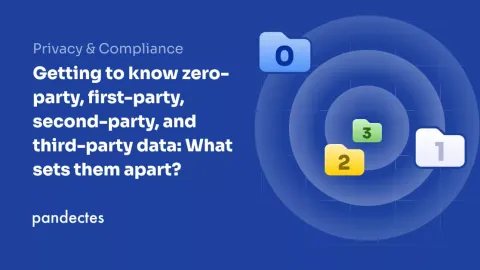
Getting to know zero-party, first-party, second-party, and third-party data: What sets them apart?
Explore the four main types of data—zero-party, first-party, second-party, and third-party—and learn how to use them effectively to optimize your marketing strategies and drive business growth.
Utilizing data classification to tackle data sprawl: Effective methods
Data sprawl is a critical challenge that organizations must address to ensure data security, compliance, and cost optimization. Utilizing data classification is a powerful strategy to tackle data sprawl effectively.
The role of automation in minimizing your exposure to sensitive data
Data security is of paramount importance, especially for organizations that deal with sensitive information. The risks associated with data breaches, cyber threats, and human errors are significant and can have severe consequences.
Data Anonymization: Understanding the what, why, and how
Data anonymization protects privacy by removing personal information from data sets. Techniques include masking, swapping, and pseudonymization.